

The Unlikely Hero of the Beverage Market
Every now and then, a product comes along that shakes up the market in an unexpected way. Liquid Death is one such brand, turning a basic commodity – water, into a dazzling $700 million brand. This accomplishment was not a result of pure chance, but of calculated strategy and an understanding of consumer psychology.
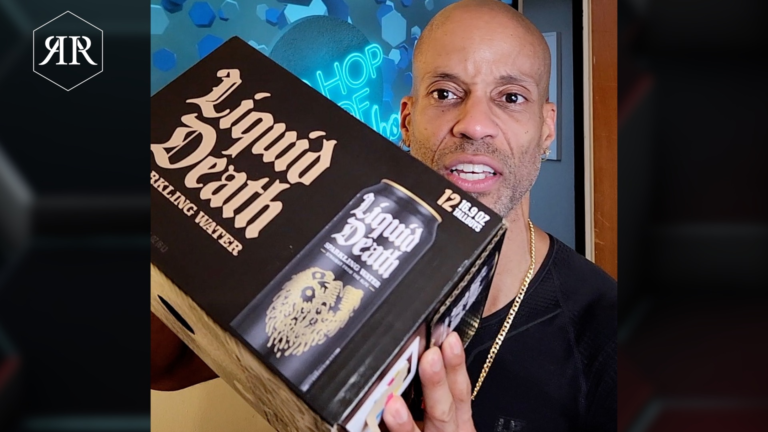
Mike Cessario, the CEO and founder of Liquid Death, leveraged the concept of Optimal Distinctiveness theory to transform the most basic commodity into a powerful brand. Their product packaging is anything but ordinary, replacing the typical tranquil water imagery with a rebellious and edgy design. Liquid Death has created not just a product, but an identity that consumers are drawn to.
Utilizing Social-Psychological Theories for Market Success
Liquid Death’s strategy was more than just a shift in aesthetics; it was a deep dive into social-psychological theory. By creating a water product that could easily blend into a social setting dominated by alcoholic beverages, the brand utilized the theory of optimal distinctiveness to create social cachet, enabling non-alcoholic consumers to fit into social settings comfortably.
How do you turn a basic commodity like water into a $700m company? Branding! @LiquidDeath has done just that by creating a product that appeals to its consumer base's vision of themselves. But how did they do it? @MarthaStewart @tonyhawk @WhitneyCummings @MartinRiese @wolfmate pic.twitter.com/xb2VKOvzrB
— Dr. Americus Reed II (@amreed2) July 18, 2023
Promoting Healthier Choices Through Bold Marketing
Liquid Death’s audacious approach to marketing has been a key driver in promoting healthier choices. Their unique branding approach has shown that healthy products don’t need to be dull or traditional. By creating a brand identity that resonates with consumers, Liquid Death has managed to make water not just a healthy choice, but a cool one.
The success of Liquid Death showcases how academic theories can translate into tangible business results. Concepts discussed in the classrooms of Wharton and Harvard Business Schools, like Optimal Distinctiveness theory, are not just theoretical – they have real-world applications that can significantly influence consumer behavior.
Liquid Death’s remarkable rise in the beverage market serves as an iconic case study of how strong, distinctive branding can create a tribal community and transform a commodity into a highly successful brand. As we continue to study and learn from such branding success stories, one thing is clear – understanding consumer psychology is crucial to creating a brand that resonates and thrives.
Liquid Death is more than just a brand; it’s a testament to the powerful combination of distinctive branding and consumer psychology. Its success story provides key insights for marketers on how to create a brand that not only stands out but also resonates deeply with its intended audience.